2026-09-06
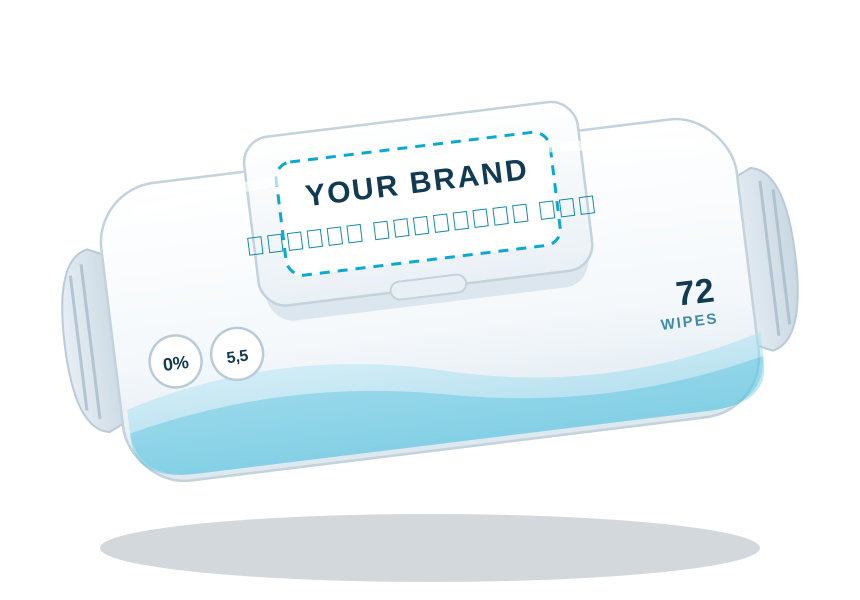
Private label wet wipes let a retailer, distributor or brand owner sell wipes under its own brand while a specialized factory handles production. Done well, it is far more than printing a logo on a pack: it is a defined product — specifications, materials, formulation where applicable, packaging, labeling, documentation, sampling, approval, manufacturing, quality control and logistics. This guide explains how the model works and how to start.
What are private label wet wipes?
The flow is simple to draw and demanding to execute: Brand / Retailer → product requirements → manufacturer → finished private-label product → distribution and retail. You own the brand and define the product; the factory manufactures it to the agreed specification. When the manufacturer produces to your fully custom specification, the arrangement is often called OEM; when it adapts proven products to carry your brand, it is classic private label — in practice the two overlap, and the contract defines the details.
Why brands and retailers choose private label
The business reasons vary, but the recurring ones are control and identity: your own branding and pack design, your product positioning and price architecture, differentiation from what every competitor already stocks, retailer-owned brand programs, portfolio expansion without building a factory, and product concepts built for a specific customer base. Private label is not automatically cheaper or more profitable — it is a control decision more than a cost decision.
Private label or an existing consumer brand?
Private label
Your own brand and packaging, specifications you define, a direct manufacturing relationship, and full brand ownership — with the responsibility of building demand yourself.
Existing consumer brand
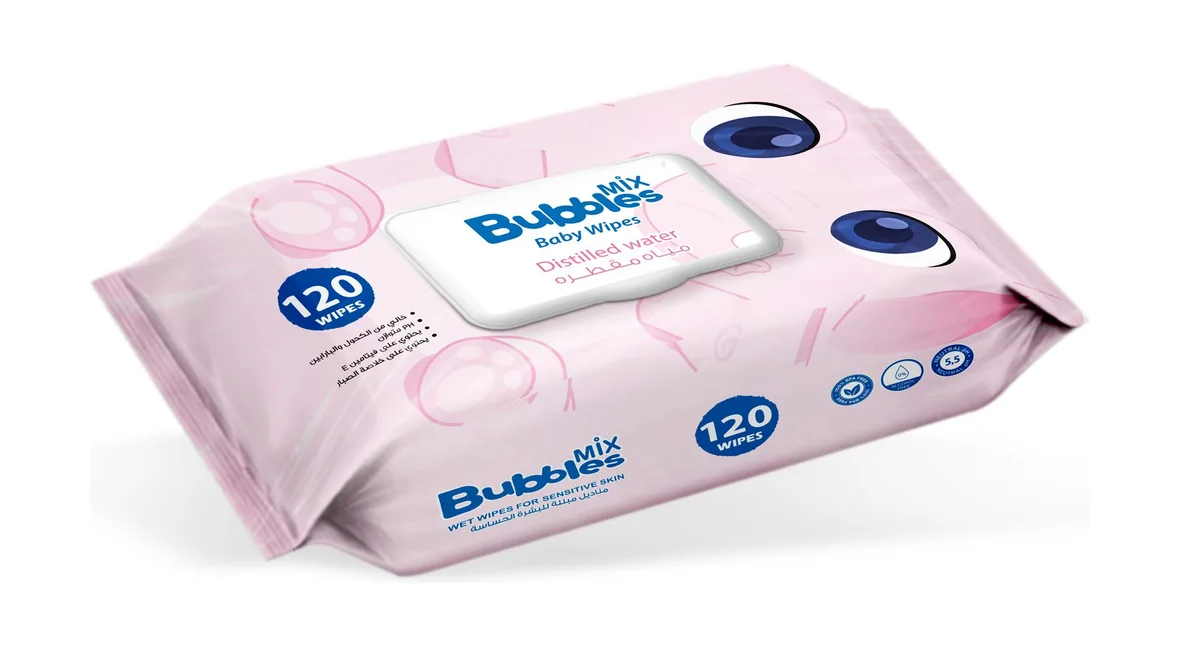
An established identity and a ready product concept (for example, a distributor stocking a manufacturer's brand such as Bubbles Mix) — faster to start, with less control over branding. Neither path is wrong; many retailers run both side by side.
What can be customized in wet wipes?
Typical customization areas: wipe material and sheet size, pack count, lotion and formulation requirements, fragrance where applicable, intended use, packaging format and closure, artwork, label information, barcode and carton configuration. Final specifications always depend on the agreed product and the requirements of your target market.
How to start a private label wet wipes project
A practical sequence: define the target customer → define the product use → choose the pack format → set the product specification → discuss manufacturing requirements → review or develop samples → approve the packaging artwork → review the applicable documentation → approve the final product → manufacture → quality checks → delivery. Timelines depend on product and packaging complexity and are agreed per project.
Planning a wet wipes product under your own brand?
Share your product requirements and target market so we can discuss suitable manufacturing and packaging options.
What information does the manufacturer need from you?
Prepare: brand name, target market, intended use, preferred pack count, wipe type, desired dimensions where applicable, fragrance preference, packaging concept, logo and artwork files, barcode, language requirements, expected market documentation and the shipping destination. The more complete this brief, the faster and more accurate the quotation.
Packaging and design for private label
You may provide finished artwork or work through the manufacturer's packaging process per the agreed project. A retail-ready pack typically covers: the front panel (brand, product name, count), the back panel (product description, ingredients and warnings where applicable, country of origin, barcode, manufacturer information) and the carton configuration for your shelves. Labeling requirements vary according to the target market and product category — settle them early.
Samples and product approval
Sampling is where the project becomes real. Evaluate the wipe feel and moisture, fragrance where applicable, the packaging and closure, visual appearance and usability — always against the agreed specification, not against memory. The approved final sample becomes the reference for commercial production.
Quality and documentation
Review facility documentation, applicable certifications, product documentation, written specifications, relevant test reports and packaging information. Castle, for example, publishes its facility-level JFDA cGMP certificate and its products' market authorizations as original documents in the Quality Center — and samples from every production batch are sent to Castle's in-house microbiology laboratory for the required testing.
How to choose the manufacturing partner
Evaluate manufacturing experience, documentation, quality systems, communication, product consistency, packaging capability, the private-label process itself, logistics and commercial clarity. That evaluation deserves its own checklist — read How to Choose a Private Label Wet Wipes Manufacturer.
From concept to finished product
Concept → requirements → manufacturer discussion → sample → packaging → approval → manufacturing → quality checks → finished product → distribution. Every successful private-label program walks this line; the difference between programs is how clearly each step is defined and documented.
Private label wet wipes manufacturing with Castle
Castle for Health Products Industry is a Jordanian manufacturer of wet wipes and health products. Castle has its own consumer brands — Bubbles Mix, Winnie Mix and HAVANA — and supports private label / OEM manufacturing projects based on agreed product specifications and packaging requirements, with production described on the manufacturing page and a range you can inspect on the products page. Minimum order quantities vary by product and packaging — contact us for current requirements.
Ready to discuss your private-label project?
Send your product requirements and target market, and Castle's team can discuss the next steps with you.
Frequently asked questions
What are private label wet wipes?
Wet wipes manufactured by a specialized factory to an agreed specification and packaging, then sold under the buyer's own brand — the retailer or brand owner keeps full brand ownership.
Can the wet wipes packaging be customized?
Yes — pack format, closure, artwork, label languages, barcode and carton configuration are defined per project.
What information should a brand owner provide to the manufacturer?
Brand name, target market, intended use, preferred pack count and wipe type, fragrance preference, packaging concept and artwork, barcode, language requirements and shipping destination.
Can wet wipes specifications be customized?
Yes — material, sheet size, pack count, lotion requirements and fragrance are agreed in the specification; final options depend on the product and target market.
How is a sample approved before production?
You evaluate a physical sample (and the packaged version) against the agreed specification — feel, moisture, fragrance, packaging and closure — and sign off before commercial manufacturing.
What documentation should be reviewed before starting a project?
Facility documentation such as a GMP certificate, applicable product documentation for the target market, written specifications and available test documentation — verified as actual documents.
How can I start a private label wet wipes project?
Prepare your product brief and request a quote — products, pack sizes and target market — and the manufacturer's team follows up with options and requirements.
Read next
How to Choose a Private Label Wet Wipes Manufacturer · Private Label & OEM manufacturing at Castle · Inside Castle's wet wipes manufacturing